
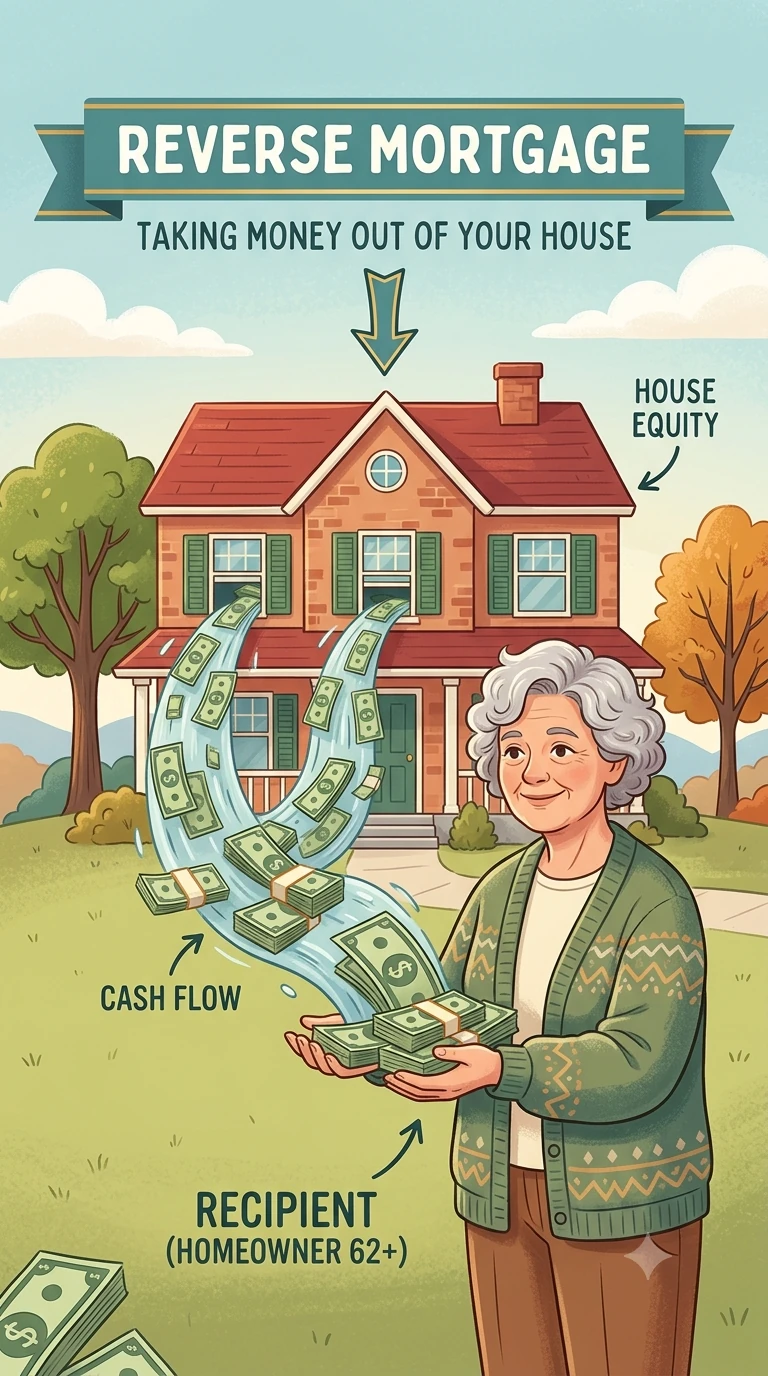
TL;DR: I’m teaching a free reverse mortgage class in West Seattle on Wednesday, August 5 from 1:00 to 2:30 p.m. at The Center for Active Living. We’ll cover how home equity can eliminate a monthly mortgage payment, act as a buffer asset when markets drop, create tax-efficient cash flow, and buy you the time to defer Social Security. RSVP required: 206-932-4044.
Reverse Mortgages & Retirement Wealth — Wednesday, August 5 in West Seattle
- What: Reverse Mortgages & Retirement Wealth, a free educational class
- When: Wednesday, August 5, 2026, 1:00 – 2:30 p.m.
- Where: The Center for Active Living, 4217 SW Oregon St, Seattle, WA 98116
- Cost: Free — RSVP required, seating is limited
- RSVP: Call 206-932-4044 or stop by the front desk. Details on The Center’s event calendar.
Why I’m Teaching This One Instead of the Usual Reverse Mortgage Talk
Most reverse mortgage presentations spend 40 minutes defending the product against things people heard in the 1990s. I’d rather spend the time on something more useful: what home equity is actually for once you’re retired.
Ask most people in their 60s and 70s what their house is worth to them, and the answer comes back in estate terms. It’s what the kids get. It’s the legacy. That framing has quietly cost a lot of West Seattle homeowners a decade of better living, because it treats the single largest asset on the balance sheet as untouchable until someone dies.
Real wealth in retirement isn’t the number your heirs see on a settlement statement. It’s whether you can take the trip while your knees still work. I’ve written before about the case for a living inheritance — giving while you’re around to watch it land — and this class extends the same logic to your own life.
What Happens to Your Cash Flow When the Mortgage Payment Goes Away
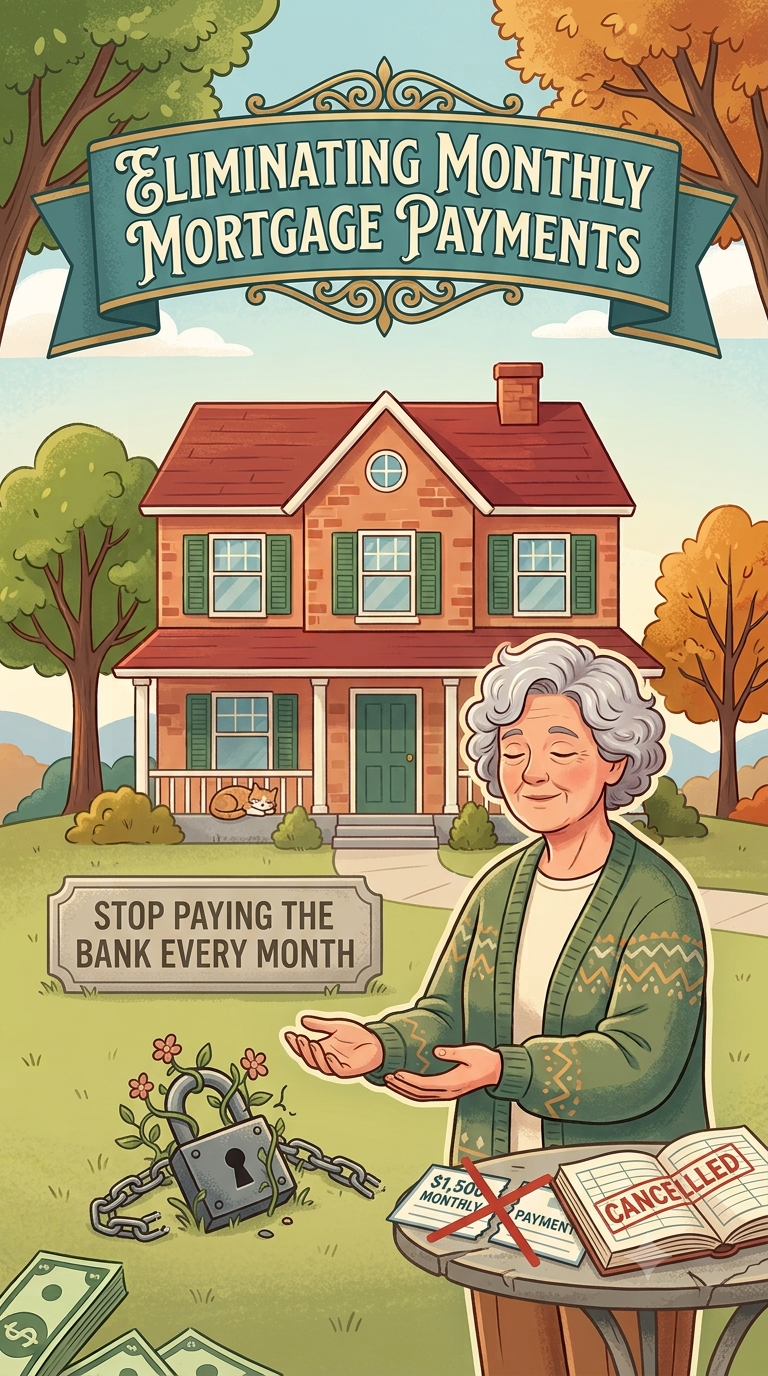
Start with the simplest version. A HECM pays off your existing mortgage first. Whatever you were sending the lender every month stops going out the door.
For a lot of people in this neighborhood that’s $2,000 to $3,500 a month. Same house, same equity position, same everything — except the household budget just got several thousand dollars a month of oxygen. That’s not a rescue. That’s a reallocation.
You still owe property taxes, homeowners insurance, and upkeep. Those obligations don’t disappear and I’ll be blunt about them in the room. But the required principal and interest payment does, and for a retiree living on fixed income, that single change often does more for quality of life than any portfolio adjustment they could make.
What Do People Actually Do With the Money?

Travel is the answer I hear most. Not a bucket-list splurge — a couple of real trips a year, while travel is still fun instead of a logistics problem. After that it’s the house itself: a walk-in shower, a stair rail, a roof that should have been replaced two winters ago.
Then there’s the ordinary stuff nobody puts in a brochure. Eating out without checking the balance first. Paying for the grandkids’ summer camp. Hiring someone to do the yard. These are small individually and they’re the entire texture of a week.
Home Equity as a Buffer Asset in a Down Market
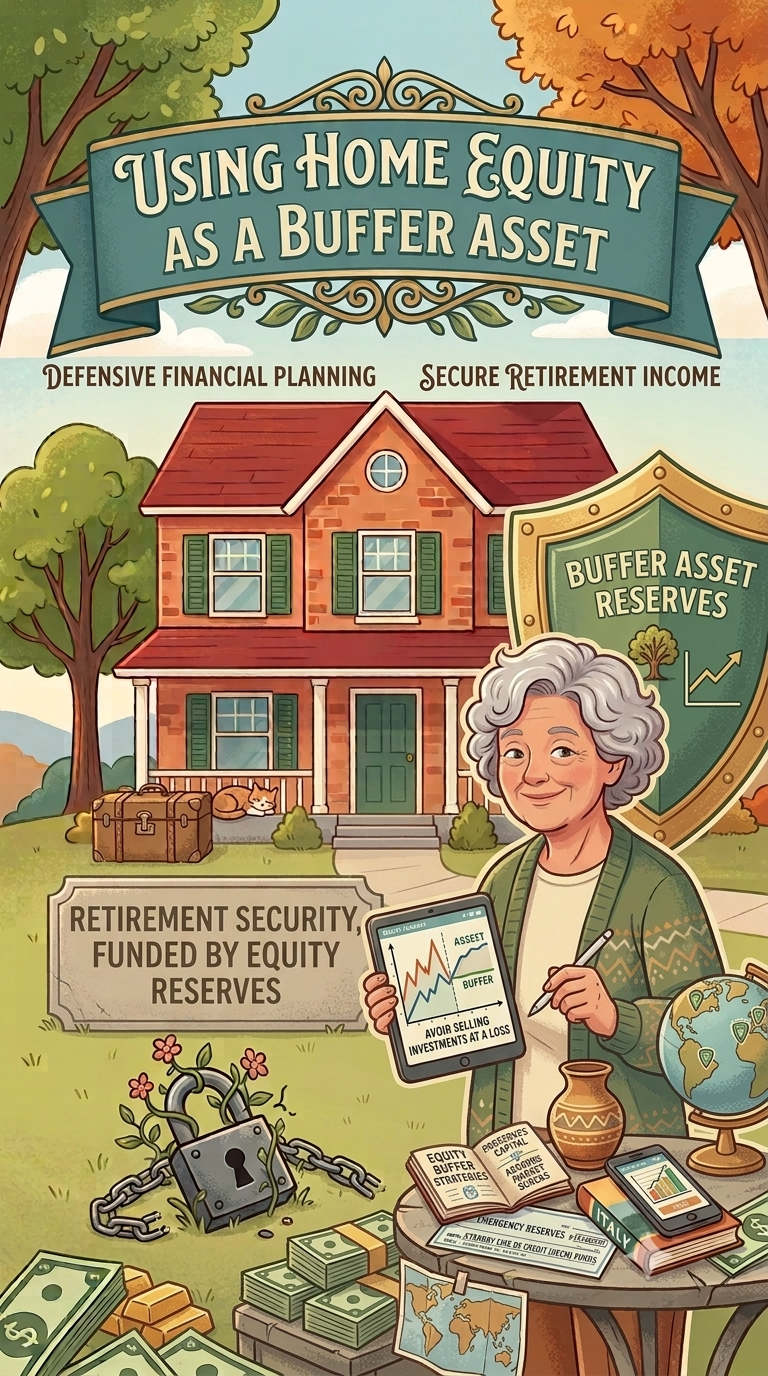
This is the section financial advisors and CPAs care about, and it’s the reason this class isn’t only for homeowners.
Sequence-of-returns risk is the quiet killer of retirement plans. If the market drops 20% in year three of retirement and your client keeps drawing $60,000 a year to live on, they’re selling shares at the bottom to fund groceries. Those shares never come back. The portfolio that would have lasted 30 years now lasts 19.
A reverse mortgage line of credit gives you somewhere else to draw from during those years. Cover expenses from the credit line while the market is down, let the portfolio recover, then resume normal withdrawals. The HECM principal limit and how the unused credit line grows over time are worth understanding before you need them, which is exactly why we’re doing this in August and not in the middle of a correction.
Tax-Efficient Cash Flow and Deferring Social Security
Reverse mortgage proceeds are loan proceeds, not income. They don’t show up on a return, they don’t push you into a higher bracket, and they don’t drag more of your Social Security into taxable territory the way an oversized IRA distribution can. Talk to your CPA about your specific return, but the mechanic is straightforward.
Then there’s the timing play. Every year you wait to claim Social Security past full retirement age adds about 8% to your monthly benefit until 70. Most people know that. Very few can afford to act on it, because they need income now and the only source is the check they’d be delaying.
Home equity can bridge those years. You spend down a portion of the equity to buy a permanently larger, inflation-adjusted, government-backed monthly benefit for the rest of your life. Whether that trade is worth it depends on health, longevity expectations, and what else is on the balance sheet. It’s a real conversation, and it’s one we’ll have.
Who Should Come to the Class
- West Seattle, Burien, and Tukwila homeowners 62 and older who still carry a mortgage payment
- Homeowners in their 50s who want to know what the option looks like before they need it
- Adult children helping a parent decide whether to stay in the house or sell
- Financial advisors, CPAs, and estate planning attorneys who want the mechanics straight from someone who originates these loans
The Center for Active Living is at 4217 SW Oregon St in the Junction, on the corner of California Ave SW. I serve on its board as Treasurer, and I’ve written about why I support The Center — it’s one of the few places in this city where the community side of aging in place is genuinely handled.
Seating is limited and an RSVP is required. Call 206-932-4044 or stop by the front desk. If you can’t make August 5, the same material is on my reverse mortgage page and I’m happy to walk through it one-on-one.
FAQ
Is the reverse mortgage class in West Seattle free to attend?
Yes. The class is free and open to the public, but seating is limited and an RSVP is required. Reserve your spot by calling The Center for Active Living at 206-932-4044 or stopping by the front desk at 4217 SW Oregon St.
Do I have to be 62 to come to the class?
No. Anyone is welcome. 62 is the minimum age to qualify for a HECM reverse mortgage, but plenty of attendees come while they’re still in their 50s to plan ahead, and adult children often come on behalf of a parent.
Can a reverse mortgage really eliminate my monthly mortgage payment?
A HECM pays off your existing mortgage first, which removes the required monthly principal and interest payment. You still owe property taxes, homeowners insurance, and any HOA dues, and you still have to maintain the home. The loan is repaid when the home is sold or you permanently move out.
What is a buffer asset strategy?
A buffer asset strategy uses a reverse mortgage line of credit to cover living expenses during a down market so you aren’t forced to sell investments at a loss. When the market recovers, you go back to drawing from the portfolio. It’s a sequence-of-returns tool, not a last resort.
How does a reverse mortgage help me defer Social Security?
Every year you delay claiming past full retirement age adds roughly 8% to your benefit until age 70. Home equity can cover the income gap in the meantime, which buys you the time to wait and locks in a permanently higher monthly check.
If you have a client — or a parent — weighing whether home equity belongs in their retirement plan, bring them August 5 or send them my way.
⭐ Leave a review on Mortgage Matchup | Review on Google
📱 LinkedIn | Facebook | Instagram
Reverse Mortgages & Home Loans with Christopher Gibson at C2 Financial
9030 35th Ave SW, Seattle, WA 98126
+1-206-890-6132
Serving West Seattle, Burien, Tukwila, Beacon Hill, Columbia City, Rainier Valley, Vashon Island, Bainbridge Island, Renton, Kent, Federal Way, and the greater Puget Sound.