
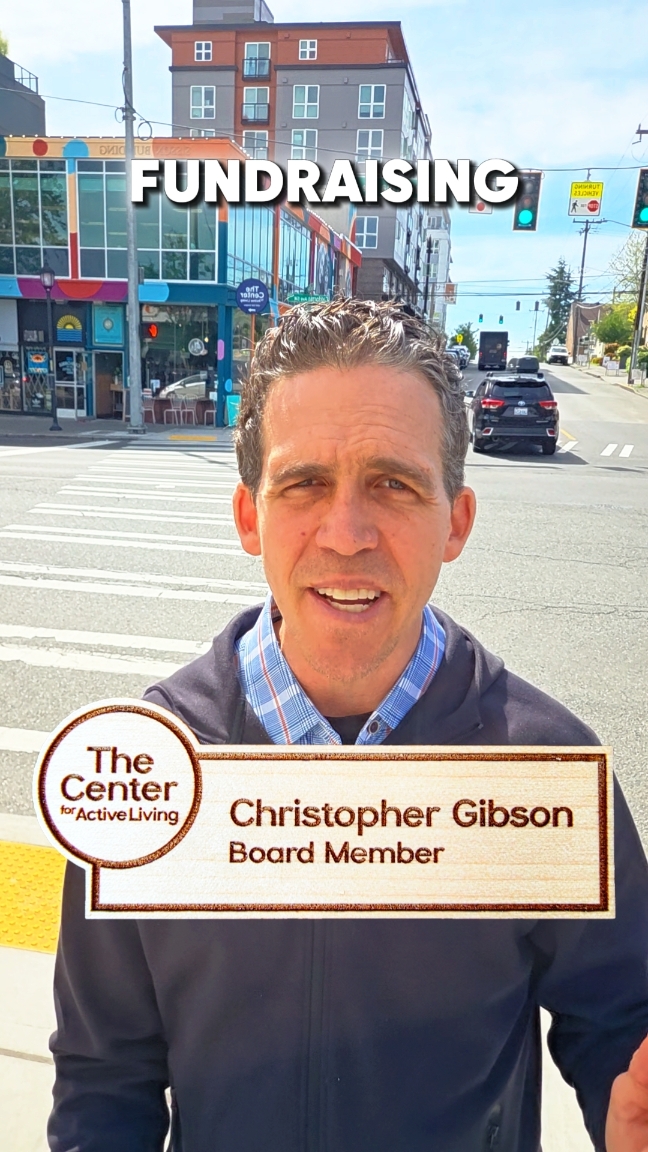
Aging in place West Seattle is the goal for most clients of real estate agents and financial advisors over 60 — but staying home is a community problem, not just a financial one. The Center for Active Living serves over 1,600 West Seattle neighbors aged 50+ with affordable meals, programming, and wellness services that make staying home actually viable. Member dues cover only 7% of the budget; donations cover 22%. I serve as Board Treasurer, and I’m asking 20 of my connections to chip in any amount during this month’s annual fundraising campaign.
Aging in place West Seattle is a community problem, not just a financial one
If you’re a real estate agent or financial advisor in West Seattle, you’ve had a version of this conversation: a client over 60, sitting in a paid-off home, asking some flavor of “should I stay or should I sell?” The financial side is usually the easier half. Equity is liquid if they need it. A reverse mortgage, a HELOC, a rental of part of the home — there are tools. The harder half is the part nobody talks about until it’s a crisis: can they actually live here, day to day, for the next 15 years?
That’s a community question, not a financial one. And in West Seattle, the answer for 1,600 of our neighbors is The Center for Active Living. As a result, it is the closest thing we have to community infrastructure that makes aging in place actually viable.
This is why I serve as Board Treasurer there. Furthermore, it’s why I’m asking 20 of my West Seattle connections to consider donating any amount during the annual fundraising campaign.
What clients actually need to stay home
Here’s what most aging in place plans miss. The financial structure is solved at the table — it’s the day after closing where things get hard. Three things consistently break:
- Isolation. Staying home alone is not the same as aging in place. Without regular contact with people, mental and physical decline accelerates. The U.S. Surgeon General’s 2023 advisory found that lacking social connection raises mortality risk on par with smoking up to 15 cigarettes a day.
- Daily nutrition. Cooking for one, every day, with declining energy is a setup for skipped meals and processed food. As a result, that snowballs into worse health outcomes that can force a move out.
- Falls and physical decline. The single biggest event that puts a senior into assisted living is a fall. Fortunately, most falls are preventable with regular balance and strength work.
None of that gets fixed by a refinance or a portfolio rebalance. It gets fixed by community.
What The Center for Active Living actually does
If you haven’t been inside the building on SW Oregon Street, here is what’s happening every week:
- 40+ weekly programs — yoga, tai chi, line dancing, balance and strength classes, art, language groups, history lectures, ukulele, mahjong, chess. Real instructors. Real consistency. The kind of “show up every Wednesday” rhythm that builds friendships.
- Affordable daily meals — hot lunches Monday through Thursday plus Margie’s Cafe weekday lunch made from scratch. The food matters. The eating-with-other-people matters more.
- Wellness and support services — social worker outreach, counseling, support groups for Parkinson’s, Low Vision, Caregivers, Diabetic, and Aging Well. Free elder-law legal consultations. Fall-prevention exercise classes.
That last category is the one most people don’t know about. For example, a free elder-law consultation can save a family thousands of dollars and weeks of confusion when a parent’s health changes. Similarly, a fall-prevention class is one of the most cost-effective interventions in geriatric medicine. As a result, these are small services with outsized consequences for whether someone gets to stay home.
If your client is sitting on equity in a West Seattle home and wants to stay, this is what actually makes it work. The Center recently hosted an aging in place resource fair covering some of the financial tools — including reverse mortgages as one piece of a longer plan — but the financial tools assume the community piece is already in place. The Center is that piece.
Why donations matter — the math behind aging in place West Seattle
Most people assume a community center for older adults runs on member dues. However, it doesn’t. The Center for Active Living’s annual budget is roughly $1.6 million. Of that total, membership dues only cover about 7%. In contrast, donations cover 22% — about 3 times what members pay. Meanwhile, government grants, program fees, the thrift store, and rental income cover the rest.
The donation share is what keeps programming affordable for every neighbor walking through the door, regardless of income. Without it, the Center either raises fees and prices people out, or cuts programs. Either way, neither outcome serves the goal of aging in place.
This is why I’m asking. Not for a big check. Not for a particular amount. Just for 20 people in my West Seattle network to give any amount this month. You can donate through my personal fundraising page here — and yes, that link tracks back to me, which helps with the board fundraising goals I’m responsible for.
Why I do this
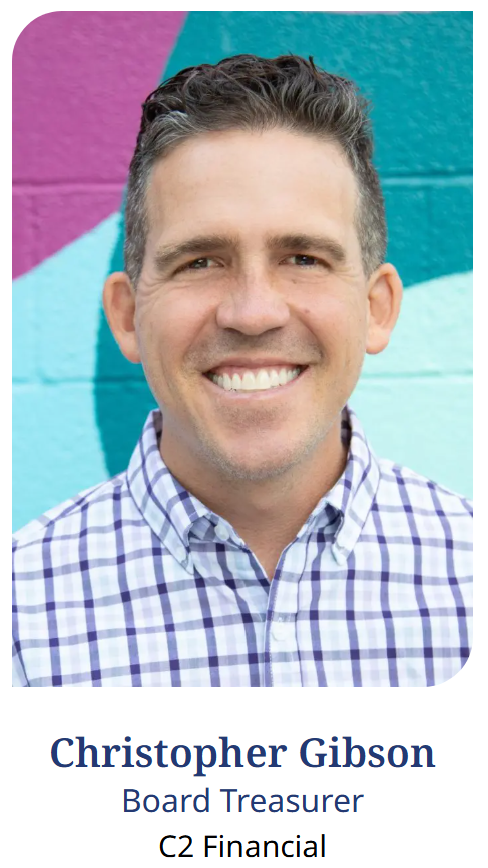
Serving on the Board of Directors as Treasurer made sense for me because the financial side of nonprofit operations is what I know how to help with. Beyond that, I write the checks too. When clients move their parents into West Seattle, the Center is one of the first places I send them. On top of that, I attend events and show up for this organization in a real way — because this is one of the places I genuinely care about in this neighborhood.
If you work with West Seattle clients over 50, the Center should be in your toolkit too. Specifically, drop-ins are welcome, dues are modest with sliding-scale options, and many wellness services and support groups are free of charge. As a result, for a client weighing whether to stay or sell, a tour of the Center can change the conversation entirely.
One more thing — the raffle

If a flat donation isn’t your thing, the Center is also running a raffle: two roundtrip ticket vouchers on Alaska or Hawaiian Airlines, no blackout dates. Tickets are $50 each or three for $100, available at the Center’s front desk. Full raffle details are here. All proceeds go to the Center.
FAQ
What is The Center for Active Living?
The Center for Active Living is a nonprofit community center in West Seattle (formerly the Senior Center of West Seattle) that serves more than 1,600 adults aged 50 and older. It offers daily affordable meals, more than 40 weekly programs, wellness and support services, and free elder-law legal consultations.
How does The Center support aging in place in West Seattle?
The Center supports aging in place by addressing the three biggest non-financial barriers to staying home: isolation, nutrition, and physical decline. Daily community meals, ongoing balance and strength classes, and recurring social programs give older West Seattle residents the consistent contact and physical activity that keep them independent at home.
Where does The Center for Active Living’s funding come from?
The Center’s annual budget is roughly $1.6 million. Membership dues cover about 7%, donations cover about 22%, and the rest comes from government grants, program activity fees, thrift store sales, facility rentals, and event income. The donation share is what keeps programming accessible regardless of a member’s income.
How can I donate to The Center for Active Living?
You can give any amount through my personal fundraising page on GiveSmart, or buy raffle tickets at the Center’s front desk for a chance at Alaska or Hawaiian Airlines roundtrip vouchers. Both go to the same place — keeping programs affordable for every neighbor who walks through the door.
How can a real estate agent or advisor use The Center as a referral?
Send your West Seattle clients aged 50+ to the Center directly. Drop-in visits are welcome, dues are modest with sliding-scale options, and many wellness services and support groups are free. For a client weighing whether to stay or sell, a tour of the Center can change the conversation entirely.
If you have a client navigating an aging in place decision in West Seattle, send them my way. The financial side I can help with directly. The community side, the Center already has covered.
Want to see what other people say about working with me? You can read reviews at Mortgage Matchup and on Google.
You can also connect with me on LinkedIn, Facebook, and Instagram.