
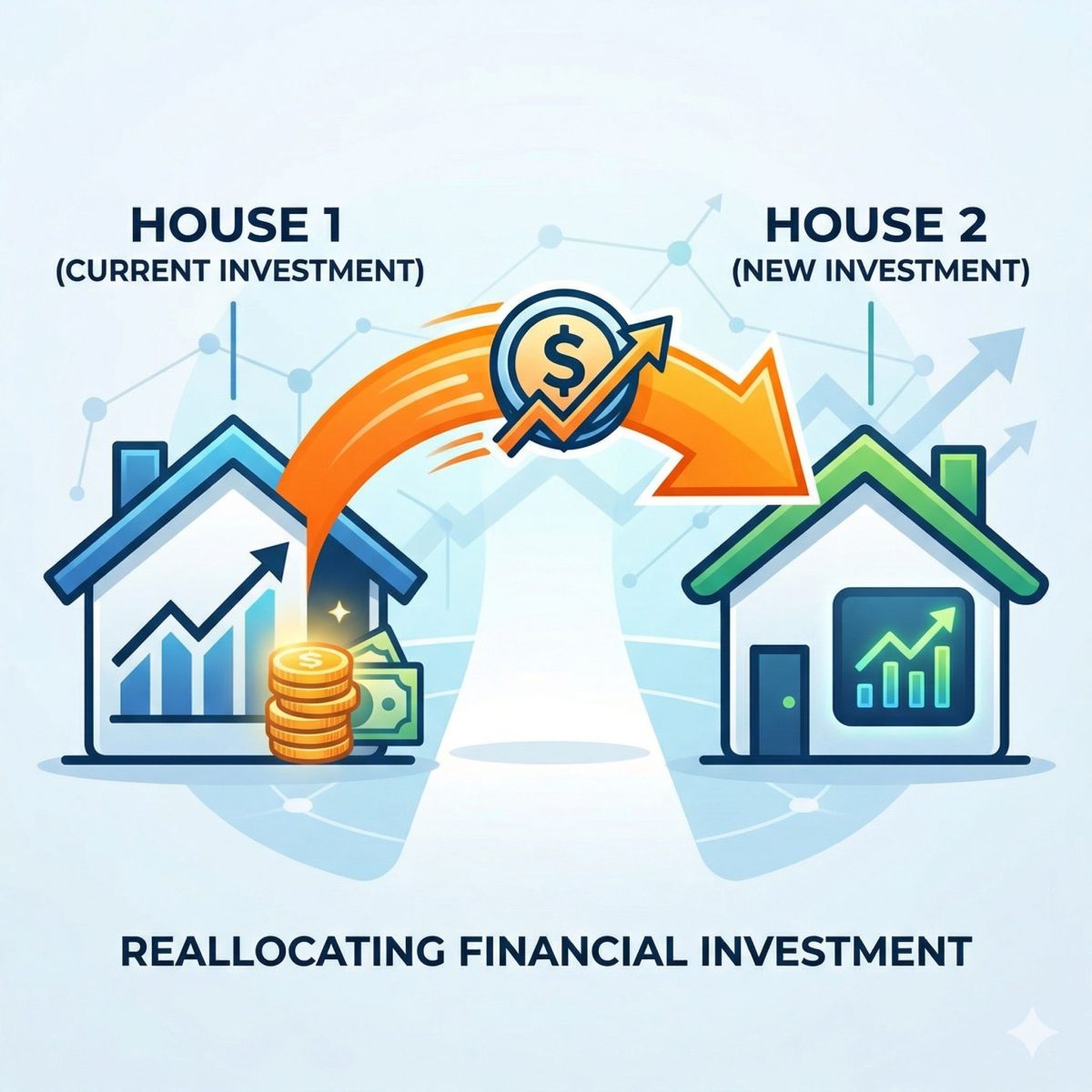
Why Buying Before You Sell Can Be a Huge Advantage in a 1031 Exchange
A buy before you sell 1031 exchange can give investors more control, less deadline pressure, and a better shot at securing the right replacement property before selling the one they already own.
One of the biggest problems with a standard 1031 exchange is the clock.
An investor sells a property, wants to defer capital gains taxes, and now has a narrow window to identify the next one. That pressure changes behavior fast. Instead of buying the right property, people start buying the available property. That is where mistakes happen.
It can lead to overpaying. It can lead to settling. It can lead to buying something you would have passed on if you had more room to think.
That is why buying before you sell can be such a major advantage.
The problem with a traditional 1031 exchange
In a standard deferred 1031 exchange, the investor sells first and buys second. Once the sale closes, the timeline starts. The exchanger has 45 days to identify potential replacement property and generally 180 days to complete the exchange. Those deadlines are a core part of the exchange rules.
On paper, that may sound manageable.
In the real world, it can be brutal.

Forty-five days is not much time to find a solid investment, negotiate terms, perform due diligence, and make a smart decision. When inventory is tight or competition is heavy, that deadline can push investors into corners they never wanted to be in.
And once that pressure sets in, price discipline often disappears.
What is a reverse 1031 exchange?
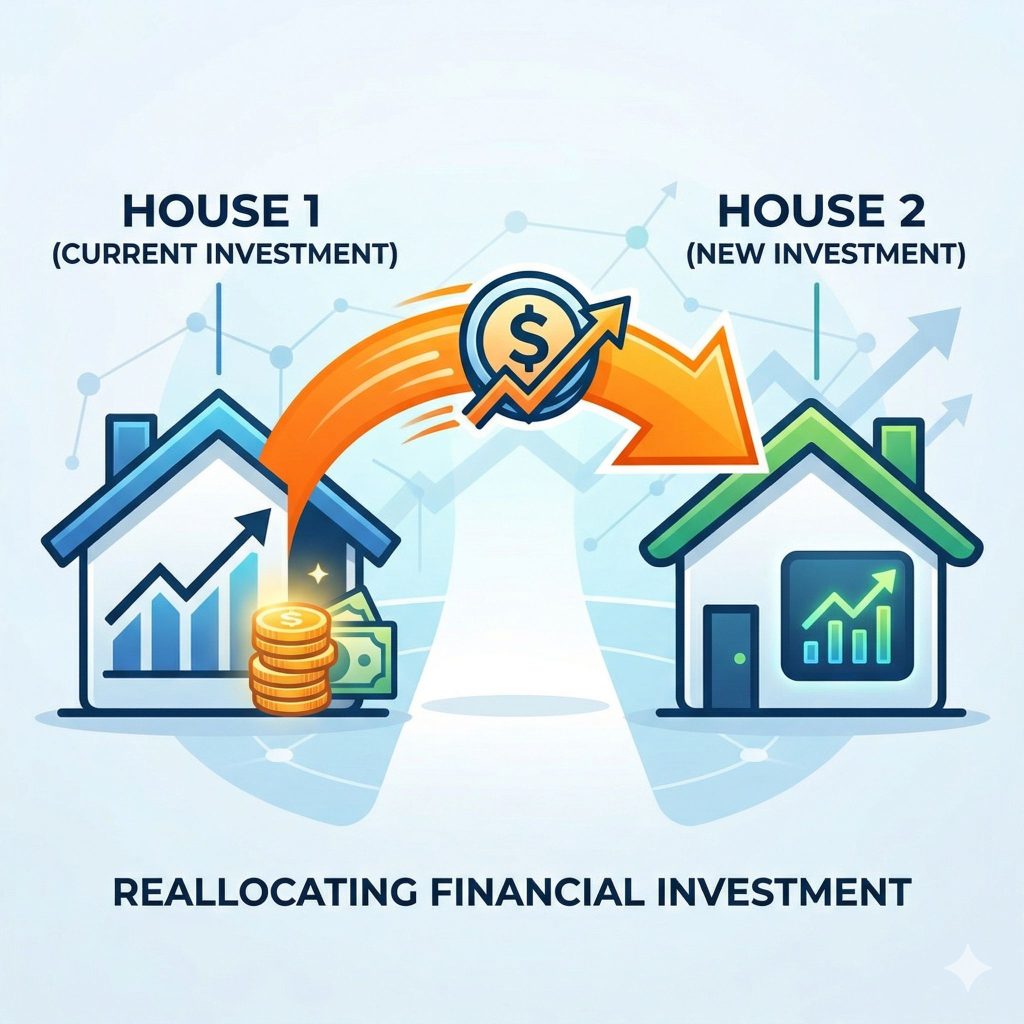
A reverse 1031 exchange flips the order.
Instead of selling the old property first, the investor acquires the replacement property first and sells the relinquished property afterward. The IRS does not generally allow that structure unless it is handled through a qualified exchange accommodation arrangement, often called a QEAA, under Revenue Procedure 2000-37, as modified by Revenue Procedure 2004-51.
That structure is what makes it possible to buy before you sell.
Under the safe harbor framework, the parked property arrangement generally must be completed within 180 days, and the relinquished property must generally be identified within 45 days after the exchange accommodation titleholder acquires the parked property.
So the key benefit is not that the deadlines disappear.
The key benefit is that the investor can secure the replacement property first.
That changes everything.
Why buying before you sell can be the smarter move
When you buy first, you gain leverage that most exchangers do not have.
You can lock up the property you actually want instead of hoping the right one appears after your sale closes. You can negotiate from a position of intention rather than urgency. You can avoid the panic that shows up when the 45-day identification window starts closing in. The 45-day and 180-day deadlines still matter in a reverse exchange safe harbor, but the transaction sequence can give the investor more control over the replacement side of the deal.
That matters because investment decisions made under pressure are often expensive.
A reverse 1031 exchange can help investors:
- secure a desirable property before someone else does
- avoid chasing limited inventory after a sale
- reduce the risk of overpaying just to satisfy a deadline
- make a more deliberate decision about what they are buying
- create more flexibility around the sale of the relinquished property
That is the real advantage.
It is not just about convenience. It is about better decision-making.
Where a bridge loan fits in
This is where a lot of investors miss an important tool.
If you are buying before you sell, the obvious question is: how do you fund the acquisition before the old property is gone?

In some cases, the answer is a bridge loan.
A bridge loan can provide short-term financing that helps the investor acquire the replacement property first, then pay off that short-term debt once the relinquished property sells. Reverse exchange structures commonly involve financing arrangements while the parked property is held, and industry guidance specifically discusses lender or exchanger funding during that period.
This is one of the most overlooked uses of bridge financing.
A lot of people think of bridge loans in the context of moving from one home to another. They do not immediately think of them as part of a reverse 1031 strategy. But for the right investor, that can be the exact tool that makes a buy-first exchange possible.
Traditional 1031 exchange vs. reverse 1031 exchange
Here is the cleanest way to look at it.
Traditional 1031 exchange
You sell first.
Then the clock starts.
You have 45 days to identify replacement property and 180 days to close.
Reverse 1031 exchange
You buy first.
Then you work to sell the relinquished property afterward.
A safe-harbor reverse exchange is generally structured through an exchange accommodation titleholder and still works inside a 45-day identification period and 180-day completion period.
So the difference is not that one has rules and the other does not.
The difference is the order of operations.
And that order can have a major effect on the quality of the investment decision.
The biggest mistake investors make
The biggest mistake is assuming the standard 1031 exchange is the only option.
It is the most common option. It is not the only one.
When investors do not know a reverse 1031 exchange is available, they often back themselves into rushed deals. They give up negotiating power. They compromise on the replacement property. Sometimes they buy something they never would have touched without the deadline pressure.
That is avoidable.
Buying before you sell is not the right fit for every investor. Reverse exchanges are more complex, require careful structuring, and usually involve higher transaction costs and more coordination than a standard deferred exchange. The IRS safe harbor requires specific handling through an accommodation arrangement rather than letting the taxpayer simply hold both sides informally.
But when timing matters and the right property is available now, it can be a powerful strategy.
Final thought
If the right replacement property shows up before your current investment sells, that does not automatically mean you have to walk away or rush into a bad standard exchange.
A reverse 1031 exchange may give you a better path.
And a bridge loan may be the piece that makes it work.
The point is simple: investors should know they may have another option before they let the 45-day deadline force a bad decision.
Important note
1031 exchanges and reverse 1031 exchanges should be reviewed with a qualified intermediary and a CPA or tax attorney before moving forward. The exchange rules are technical, and the structure has to be done correctly. IRS guidance for reverse exchanges is tied to qualified exchange accommodation arrangements under Revenue Procedure 2000-37, as modified.


